
Vinoraa, with its long-standing aromatic expertise, focuses on creating serene incense Agarbaatti and soul-soothing Smudges.
269, Kothari House, Raja Ram Mohan Roy Road, Near Central Plaza Cinema, Charni Road East. Mumbai- 400004, India
Ever grabbed a bundle of aromatic wood sticks and just... wondered? If it's actually the real deal, I mean. Happens more than most people admit. Step into any wellness store and there they are, rows of them, each promising the same thing - calm, clarity, a room that smells like something other than dust.
Palo Santo's usually first on that list, and it's not some online trend thing. People across South America have leaned on this wood for centuries, long before self-care turned into something you'd hashtag. Picking the right stick, though? Trickier than most buyers expect going in. Thickness, coating, where it came from, how it burns once lit - skip these and you're left wondering why customers keep complaining.
This piece gets into what separates a good Palo Santo Incense stick from one that just photographs well. Useful whether you're stocking a shelf, building a wellness line, or just want something honest for your own home.
So what does Palo Santo actually mean? Holy wood, more or less - though the translation undersells it a bit. The name didn't come out of a branding meeting. It came from generations of ceremonial use. It grows as a tree native to South America, and branches only get used once they've fallen naturally and aged a good while. That's when the sweet, citrusy pine smell shows up at all.
Genuine Palo Santo Sticks hold that aroma inside the wood itself. No spray-on scent, no shortcuts, nothing added later. This is why sourcing partners care so much about authenticity in the first place. A stick harvested too soon, or handled carelessly along the way, just won't smell right. Won't burn evenly either, if we're honest. Good packaging can't rescue wood that never got time to age properly.
Not all aromatic wood performs the same way, and more buyers are catching on. Demand for Palo Santo Smudge products keeps climbing across wellness centers, spas, yoga studios, regular homes too. People want something that works, plain and simple, not something synthetic that fades out in ten minutes flat.
Retailers need consistency. Batch after batch, no surprises. Poor wood smokes unevenly, burns out fast, sometimes carries this chemical edge that ruins the whole reason you lit it in the first place. Nail the sourcing and your name stays solid. Miss it and you're fielding complaints for months.
Not every stick does the same job here.
A short checklist before any batch gets added to inventory.
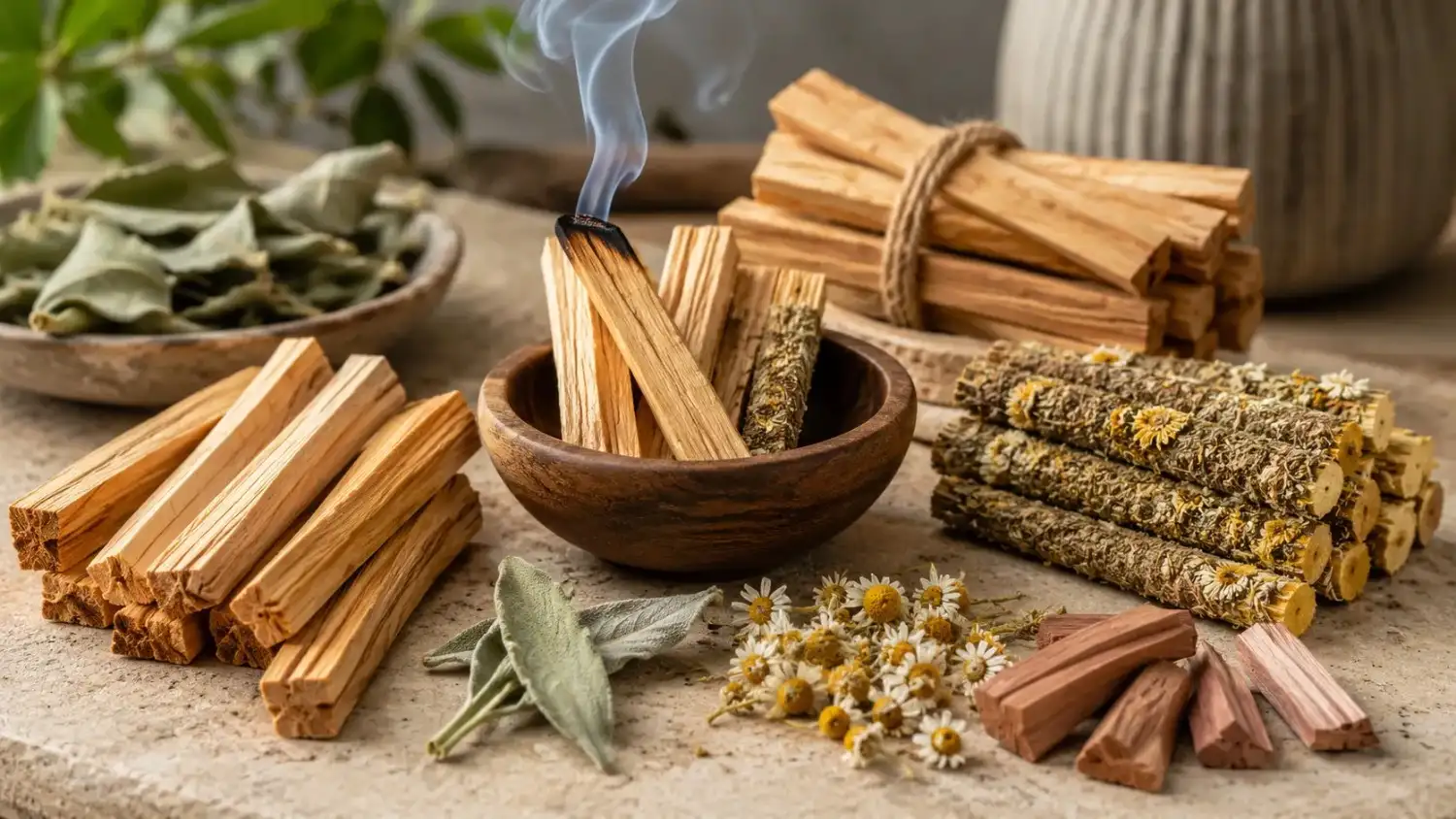
Coated Palo Santo is worth a try if you want to widen a smudge incense range without starting from zero. You're taking the wood's own scent and layering something onto it - sandalwood, sage, whatever fits - so the burn feels fuller, less one-note than a plain raw stick.
Retailers tend to slot it in as the premium pick beside standard raw sticks. Adds shelf appeal, gives regular buyers something to come back for, and lets you test new scent combos without touching the rest of the lineup.
Why do wellness practitioners keep coming back to this particular category, year after year? A handful of reasons, honestly. And the Palo Santo Benefits stretch well past just smelling good.
People use these sticks in more places than most would guess.
Understand the product through a better comparison sense:
| Aspect | Raw Wood Sticks | Coated / Blended Sticks |
|---|---|---|
| Aroma Profile | Single-note, natural wood scent | Layered, multi-botanical scent |
| Burn Character | Clean, subtle smoke | Slightly heavier, textured smoke |
| Best For | Purists, traditional rituals | Retail variety, gifting, premium lines |
| Shelf Appeal | Simple, minimalist | Visually distinct, premium packaging |
| Common Pairings | None | Sandalwood, sage, chamomile |
FACT
Aged wood usually needs a few years of rest after falling before the aroma fully develops into something worth burning.
A few things worth doing before placing any bulk order.
Understanding Palo Santo Uses across buyer types makes assortment planning simpler. Knowing the core Palo Santo incense sticks benefits upfront helps too, since it shortens the sales conversation.
Vinoraa, as the brand under Ravino Industries, was established in 2008 by Mr. Umesh Soni, who is India's first and only manufacturer of smudge incenses, an artisanal craft. We are a 100% export-orientated company that is filling markets with high-quality spiritual products that evoke a feeling of peace and tranquillity.
We have more than 50 unique SKUs available such as smudge sticks, herbal bundles, Palo Santo, and speciality chakra items. We use the purest botanicals from the natural world, such as white sage, sandalwood, and saffron, to carefully create our products for cleansing, meditation and aromatherapy. We sell premium aromatic treasures to international buyers on a trusted B2B wholesale basis, where we quote the price according to the specific requirements.
Choosing the right Palo Santo Incense Sticks comes down to a few basics, honestly. Proper aging. Honest sourcing. A burn that actually holds up under use. Packaging built for the journey it has to survive.
Whether you're building out a raw wood lineup or adding in a Palo Santo Smudge Sticks collection with botanical coatings, it doesn't really matter which. The details win out over marketing copy every single time. Buyers who bother asking about origin, aging, batch consistency - they're usually the ones who end up with something customers actually keep coming back for.
|
Sourcing authentic, export ready Palo Santo in bulk. Get in touch with Vinoraa to explore the full range, including Coated Palo Santo varieties, for your next wholesale order. Contact Us Now! |
Nope, different plants entirely, though people mix them up constantly. Sage grows as a shrub. Palo Santo's a tree, native to South America, and the smell reflects that — sweeter, more citrus than herbal. Both get used for cleansing, sure. Doesn't mean you can swap one for the other and expect the same result.
Honestly, it varies. A short, thin piece might give five minutes of flame before you blow it out and let it smoke. Thicker ones stretch longer. But burn time isn't really the number worth chasing here — whether the wood was aged right matters far more than how many minutes it lasts.
More or less. Light it, count a few seconds, blow it out so it smoulders instead of flaming. The coating just stacks another scent on top — sandalwood, sage, that sort of thing. Some people stick with raw for something cleaner. Others want that extra depth, which is fair too.
Time, mainly. That's the short answer. Genuine sticks need years sitting and aging before the oils inside are even worth burning, and nothing speeds that along honestly. Add in how the wood gets harvested — no live cutting allowed — and the supply stays tighter than anything mass-produced could ever manage.
Kind of, yeah, and that's not really a flaw. Wood's a natural material, so harvest timing and aging length shift the scent slightly each round. Suppliers leaning on synthetic shortcuts tend to smell exactly the same every single time — which, if anything, says more about the shortcut than the wood.
Sticks are just the wood, nothing added at all. Smudge Sticks usually come bundled with herbs, sometimes resin too, built more with ceremony in mind. Same source wood underneath both. The smudge version just carries a fuller, layered smell instead of sitting on one single aromatic note.